
Vienna Migration Conference to draw ministers from 20 countries

Ministers and senior officials from 20 countries will meet in Vienna on Nov. 16-17 for the 11th Vienna Migration Conference, which ICMPD says will be Europe’s biggest migration conference. The agenda puts migration partnerships, Ukraine’s recovery and shifting global labor markets at the center of talks.
Why it matters: - Migration policy is being reshaped by geopolitical tensions, conflicts, demographic change and economic transformation. - Governments are under pressure to revise approaches to migration management, international protection and labor mobility. - The conference is designed to test how Europe and partner countries can keep migration cooperation aligned with changing security and economic realities.
What happened: - Ministers and senior officials from 20 countries will gather in Vienna on Monday and Tuesday, Nov. 16-17, for the Vienna Migration Conference 2026. - The 11th edition is hosted by the International Centre for Migration Policy Development. - ICMPD says the event will become Europe’s biggest migration conference. - Government representatives from Albania, Armenia, Austria, Denmark, Egypt, Germany, Greece, India, Ireland, Jordan, the Netherlands, North Macedonia, Norway, Poland, Portugal, Rwanda, Sweden, Uganda, Ukraine and the United Arab Emirates are expected to take part.
The details: - Susanne Raab, director general of ICMPD, said the conference will elevate migration discussions and provide a platform for ministers and representatives to shape migration partnerships. - A session on migration partnerships will examine how geopolitical tensions, security challenges and shifting national priorities are changing migration policy. - Bart van den Brink, Morten Bødskov, Athanasios Plevris, Jim O'Callaghan and Mazin Al Farrayeh are set to join Raab in that discussion. - Austria’s Interior Minister Gerhard Karner and Germany’s Interior Minister Alexander Dobrindt will discuss shared migration priorities and closer cooperation. - Ministers and senior officials from Albania, Armenia, North Macedonia, Norway and Portugal will discuss how geography and national realities shape European migration priorities. - Frontex Executive Director Hans Leijtens and EU Agency for Asylum Executive Director Nina Gregori will discuss security and protection challenges at Europe’s external borders. - The Economist’s David Rennie will discuss the impact of global power dynamics on migration policy. - Egypt’s Assistant Foreign Minister Neveen Elhusseiny, UNHCR Assistant High Commissioner for Protection Edem Wosornu, and senior representatives from Uganda and IOM will discuss cooperation between countries of origin, transit and destination. - A session on displacement, recovery and resilience will focus on Ukraine’s workforce and economy after war and displacement. - Ukraine’s Deputy Ministers Dariia Marchak, Sweden’s Migration Minister Johan Forssell and Poland’s Undersecretary of State Maciej Duszczyk will discuss skills, investment and international partnerships in Ukraine’s recovery. - Rwanda’s Interior Minister Vincent Biruta will discuss refugee protection, regional mobility and international cooperation. - A session on the global competition for skills will address how demographic pressures and economic shifts are changing labor markets. - Sripriya Ranganathan, secretary at India’s Ministry of External Affairs, will discuss labor mobility cooperation with Europe. - Senior representatives from the African Migration Observatory, the United Arab Emirates and the OECD will discuss changing demand for workers and the opportunities and challenges of international skills mobility. - The conference will end with a discussion between Beate Gminder, director-general for migration and home affairs at the European Commission, and Raab on Europe’s next migration priorities. - All plenary sessions will be livestreamed.
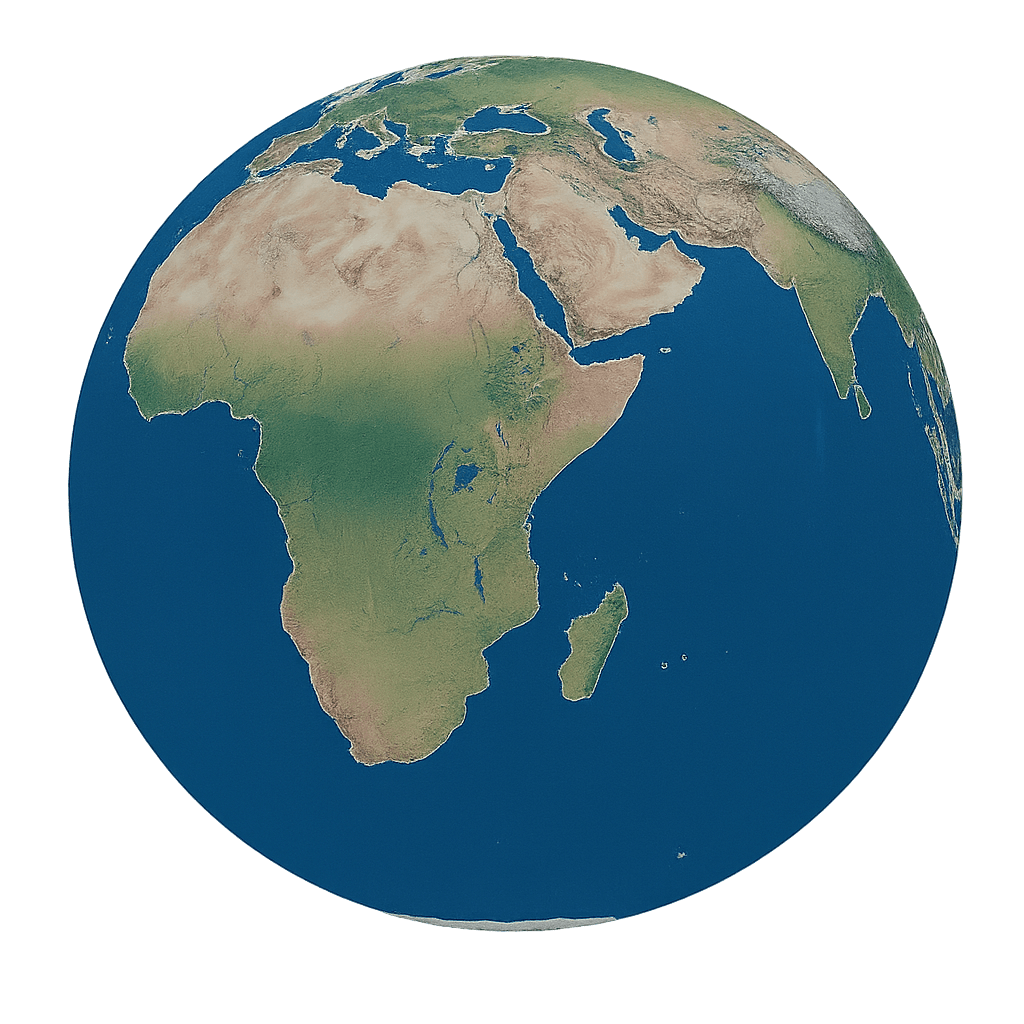
Between the lines: - The agenda shows migration policy is being treated less as a standalone issue and more as part of wider debates over security, labor shortages, reconstruction and cross-border cooperation. - Ukraine’s recovery and the competition for skilled workers suggest the conference is also looking at migration as an economic and workforce issue, not only a border-management issue. - Broad participation from Europe, Africa, the Middle East and Asia points to an effort to frame migration as a global negotiating topic rather than a regional one.
What's next: - The Vienna sessions on Nov. 16-17 will determine whether governments can identify practical cooperation on migration partnerships, labor mobility and protection. - The closing discussion on Europe’s next migration priorities will offer the clearest signal of where EU policymakers may head next. - ICMPD will livestream all plenary sessions for a wider audience.
The bottom line: - Vienna is becoming a central venue for migration diplomacy just as governments worldwide are recalibrating policy around conflict, labor demand and security.
Disclaimer: This article was produced by AGP Wire with the assistance of artificial intelligence based on original source content and has been refined to improve clarity, structure, and readability. This content is provided on an “as is” basis. While care has been taken in its preparation, it may contain inaccuracies or omissions, and readers should consult the original source and independently verify key information where appropriate. This content is for informational purposes only and does not constitute legal, financial, investment, or other professional advice.
Sign up for:
European Global Times
The daily local news briefing you can trust. Every day. Subscribe now.
Check Your Email!
We sent a one-time activation link to: .
Confirm it's you by clicking the email link.
If the email is not in your inbox, check spam or try again.
Welcome back!
is already signed up. Check your inbox for updates.